Key Takeaways
- The 3-2-8 workout is a structured weekly plan: It combines three strength sessions, two Pilates or barre workouts, and a daily step goal.
- It blends strength and low-impact movement: The program pairs resistance training with walking and flexibility-focused workouts.
- It aligns with general fitness guidelines: Following the plan can help meet recommended levels for strength and aerobic activity.
- Research on the method itself is limited: There are no studies specifically evaluating the 3-2-8 program or its claimed outcomes.
- Results depend on consistency and overall habits: Factors like diet, activity level, and starting fitness all influence outcomes.
Social media has become a popular resource for finding new workouts to add to your fitness routine. However, not every fitness trend that goes viral is necessarily an effective or safe workout.
Therefore, it’s important to understand a workout and its intended goals, pros and cons, and how to do it before deciding whether it is right for you.
Below, we’ve put together a 3-2-8 workout guide with everything you need to know about this trending Pilates training plan.
What Is the 3-2-8 Pilates Workout?
The 3-2-8 Workout, also known as the 3-2-8 Pilates method, is not simply a standalone workout but rather a program that combines Pilates or barre, walking, and strength training throughout the week.
The 3-2-8 workout program is credited to Natalie Rose (@natalieroseuk), a U.K.-based Pilates and barre instructor. She posted a brief clip hinting at her “not-so-secret” exercise method that she promised would “leave you feeling snatched and strong.”
.Since the initial 3-2-8 TikTok workout video, #328pilates and the search term “3-2-8 Pilates” have amassed millions of views on TikTok and garnered a devoted fan base who post their own reels highlighting the purported 3-2-8 workout benefits.
How Do You Do the 3-2-8 Pilates Program?
The 3-2-8 workout plan is so named because each of the numbers correlates to one of the components of the fitness program as follows:
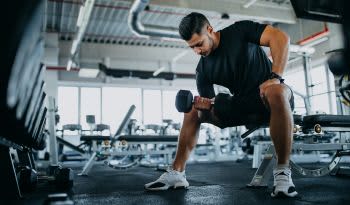
- Do three strength workouts with weights per week.
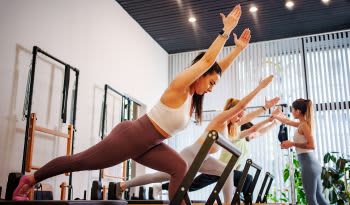
- Do two low-impact Pilates or barre workouts per week.
- Walk at least 8000 steps per day each day of the week. You do not have to do all of the 8,000 steps in one walk, but you should accumulate a total of at least 8,000 steps per day.
How Long Does the 3-2-8 Pilates Workout Take?
Technically, you will be doing five workouts per week as well as walking daily.
The strength training sessions should take between 30 and 45 minutes if you are doing full-body strength training. The low-intensity Pilates or barre workouts typically take closer to an hour or more.
To achieve the purported benefits of the 3-2-8 Pilates barre program, you’re supposed to stick with it for at least three months.
Remember, while variety helps prevent plateaus and boredom with fitness, consistency is also important.
Does the 3-2-8 Pilates Workout Work?
Natalie Rose designed the 3-2-8 fitness program for busy individuals who want an efficient exercise routine that will strengthen and tone their bodies.
According to Natalie Rose, if you stick with the program for at least 3 months, you will also achieve benefits such as decreased inflammation, better regulation of your menstrual cycle, increased lymphatic drainage, and weight management.
Unfortunately, there haven’t been any research studies evaluating the truth behind these claims.
Regular exercise is hugely beneficial for your physical and mental health. The 3-2-8 workout program includes resistance training as well as cardio, as long as your walking workouts elevate your heart rate to at least 67% of your maximum heart rate.
Plus, if you follow the 3-2-8 training program correctly, you will be doing enough exercise each week to exceed the Centers for Disease Control and Prevention (CDC) guidelines for physical activity for adults. These guidelines state that adults should accumulate either 150 minutes of moderate-intensity aerobic exercise or 75 minutes of vigorous-intensity cardio exercise per week and two full-body resistance training workouts.
Theoretically, this means that the 3-2-8 workout program should help reduce your risk of lifestyle diseases and promote health.
That said, it isn’t possible to state that everyone will lose weight with the 3-2-8 Pilates workout plan.
Weight management benefits depend on the relationship between the number of calories you eat and the number of calories you burn over time.
Therefore, your diet significantly influences your 3-2-8 workout results.
If your goal is to manage your weight, assess how many calories you are burning per day, and then follow a nutritious, balanced diet that meets your nutrient needs while creating a moderate caloric deficit.
Plenty of research supports the benefits of walking. Though we often hear about aiming for 10,000 steps a day, studies have found that nearly the same physical and mental health benefits can be achieved by walking about 7,400 steps per day.
According to Rose, the daily step goal should help you burn an additional 300 calories a day to support a healthy weight.
Keep in mind that while walking burns calories, if you’ve already been hitting this average step count before you start the 3-2-8 workout plan, you won’t be burning “additional” calories over your current baseline.
This means that if you are currently maintaining your weight and you want to start losing weight, you will need to increase your daily step count above and beyond what you are doing now.
The claims about regulating menstrual cycles and increasing lymphatic drainage are difficult to substantiate.
Regular aerobic exercise may help support a healthy hormonal balance, but there are many additional factors that impact menstrual health.
The Pilates and barre workouts can increase flexibility, balance, coordination, and core strength, while decreasing stress and improving mood.
Finally, it should be possible to get stronger and potentially build muscle with the 3-2-8 Pilates workout plan, depending on your initial level of fitness and how you do the strength training workouts.
In terms of the strength training workouts, the 3-2-8 fitness plan recommends increasing the weight every 4 to 6 weeks. While this is a good start, most strength training experts recommend increasing the resistance every week or two by just a little (5% or so) to prevent strength plateaus without overdoing it.
Make sure that you are training each of the major muscle groups at least twice a week, so you should be performing full-body workouts with this program.
Can I Achieve a Healthy Weight Doing the 3-2-8 Workout?
As mentioned, weight management is dependent upon being in a modest caloric deficit.
Foods that can potentially help support weight management are those that are nutritionally dense but not calorically dense.
This means that you should select minimally processed foods that are rich in vitamins, minerals, and other essential nutrients while not containing significant amounts of added sugars and processed oils.
Protein, fiber, water, and healthy fats can increase satiety, helping you feel full on fewer calories.
Limiting added sugars and choosing complex carbohydrates coupled with protein and healthy fats can also help regulate your blood sugar levels to prevent energy crashes and cravings.
Depending on your dietary needs and food plan, your healthy diet should contain foods such as lean proteins (fish, chicken, turkey, tofu, etc.), fresh fruits and vegetables, whole grains, eggs, low-fat dairy, and smaller amounts of nuts and seeds.
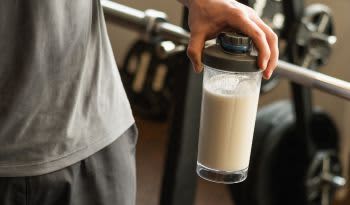
Particularly after the strength training workouts, make sure to have a high-protein snack to support muscle repair.
Examples include Greek yogurt with berries, a protein shake made with clean protein powder, eggs with whole-grain bread, tuna with vegetables and whole-grain crackers, edamame, and low-sugar protein bars without any artificial sweeteners.
If you are struggling to reach a healthy weight, consider working with a registered dietitian or nutritionist who can help customize an eating plan that is best for your needs.
References:
- Health Benefits of Physical Activity for Adults - CDC
- The multifaceted benefits of walking for healthy aging: from Blue Zones to molecular mechanisms - PMC
- Association of Step Volume and Intensity With All-Cause Mortality in Older Women - PMC
- The Acute Effect of Pilates Exercise on Lower Extremity Maximal Strength
- Application of Pilates-based exercises in the treatment of chronic non-specific low back pain: state of the art - PMC
- Fat-Rich Food Palatability and Appetite Regulation - Fat Detection - NCBI Bookshelf
DISCLAIMER:
These statements have not been approved by the Food and Drug Administration. These products are not intended to diagnose, treat, cure, or prevent disease.


























































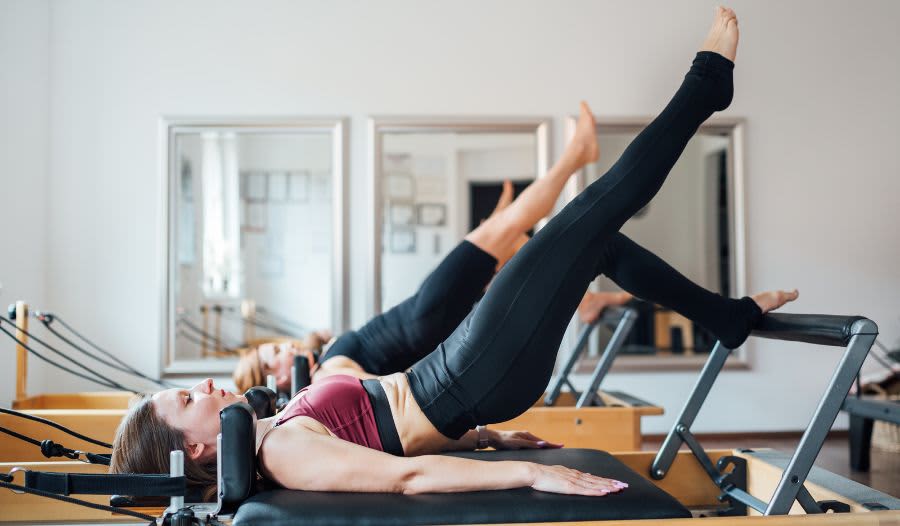
 Table of Contents