Beginner Supplement Guide: How to Build a Routine in 3 Steps
18,171 Views
Evidence Based
iHerb has strict sourcing guidelines and draws from peer-reviewed studies, academic research institutions, medical journals, and reputable media sites. This badge indicates that a list of studies, resources, and statistics can be found in the references section at the bottom of the page.
Supplements can be an incredible addition to a healthcare routine. But with millions to choose from, how do you know how to pick the right ones to help you thrive?
Luckily, there's a science to picking the right supplement. In this article, we teach you 3 simple steps to finding the ultimate supplement combination.
Step 1: Build a Strong Foundation
Start with a Multivitamin
Supplements are designed to help you fill the gaps in your diet, wherever it falls short. This is precisely why broad-spectrum multivitamins were created. A high-quality multivitamin is the cornerstone of any supplement program—but not all formulas are created equal. Look for a formula that provides:
Broad-spectrum coverage that includes all essential vitamins and minerals
Active forms of B vitamins (e.g., methylcobalamin, methylfolate)
Levels of all vitamins and trace minerals like zinc at full RDA levels (note: major minerals like calcium and magnesium can be taken individually if needed)
Essential vitamins and minerals serve as cofactors in virtually every metabolic process, including:
Cellular energy production
Detoxification pathways
Neurotransmitter synthesis
Hormonal balance
Immune function
Cognitive function
Without adequate micronutrient status through dietary supplementation, even the best diet can fall short.1,2 A properly formulated multivitamin and mineral formula helps to ensure your body has the building blocks it needs to function optimally.3-6 Think of it as a nutritional insurance policy.
A high-quality multivitamin is one of the top recommendations most doctors give, no matter the age or gender. It is a safe and effective practice that promotes health.
Omega-3 Support
Omega-3 fatty acids are one of the most important—and most commonly deficient—nutrients in the modern diet. A daily intake of ~1,200 mg of combined EPA + DHA provides meaningful support for:
Cardiovascular health
Brain function and mood
Healthy inflammatory balance
Cellular membrane integrity
Large meta-analyses and randomized controlled trials demonstrate that supplementation with fish or algal sources of omega-3s can support cardiovascular health, triglyceride levels, and inflammatory balance.7-9
Even individuals who eat fish regularly often fall short of optimal intake levels. Supplementation helps ensure consistent intake to achieve and maintain sufficient levels of omega-3 fatty acids necessary to support health.
A High-Quality Probiotic
Gut health is foundational to overall health. A well-formulated probiotic can help support:
Digestive efficiency
Nutrient absorption
Immune system regulation
Microbiome balance
Clinical trials show that probiotics can improve gastrointestinal function, support immune response, and positively influence the gut microbiome.10-12 Probiotics are an especially easy addition to the daily routine for infants and kids.
The key is to use a high-quality probiotic containing clinically validated, strain-specific organisms that is formulated to ensure those live microbes survive through shelf life and digestion to reach the intestines in effective amounts.
Why This “Core Three” Matters
This combination—multivitamin + omega-3s + probiotic—addresses three critical pillars of health:
Pillar
Supported By
Foundational Nutrition
Multivitamin & minerals
Cellular Health
Omega-3s
Digestive Health
Probiotic
Step 2: Choose Forms You Will Actually Take
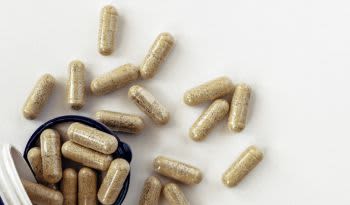
Even the best supplement routine won’t work if you don’t stick with it. Fortunately, dietary supplements come in all shapes, sizes, and forms these days. With so many options, it is easy to find the form that you will actually take. Common options include:
Capsules and softgels
Powders and drink mixes
Liquids
Gummies
Chewables
The key with any of these forms lies in choosing a form that provides the optimal dosages and one that you will take daily.
Step 3: Build a Sustainable Habit
A supplement routine only works if it becomes automatic. Here are simple, effective strategies:
Set reminders: Use simple phone alarms labeled by supplement to stay consistent
Keep them where you need them: Store supplements in key locations (home, work, travel spots) instead of relying on memory
Anchor to routines: Take supplements with daily habits like meals, brushing teeth, or bedtime
Schedule it: Add supplements to your daily calendar or written routine to reinforce consistency
Keep performance products ready: Store workout-related supplements in your car or gym bag (when conditions allow)
Use auto-ship: Ensure uninterrupted use by setting up automatic refills
Over time, the goal is simple: Your supplement routine becomes as automatic as brushing your teeth.
Final Thought
The health benefit of dietary supplementation is not about taking more; it is really about taking the right dosage of key supplements consistently on a daily basis.
By focusing on:
A well-formulated multivitamin with active nutrients
Adequate omega-3 intake
A clinically relevant probiotic
You create a foundation that supports virtually every system in the body simply, efficiently, and effectively.
Abdelhamid AS, Brown TJ, Brainard JS, et al. Omega-3 fatty acids. Cochrane Database Syst Rev. 2020;3(3):CD003177. doi:10.1002/14651858.CD003177.pub5
Hu Y, Hu FB, Manson JE. Marine omega-3 supplementation: an updated meta-analysis of 13 randomized controlled trials involving 127,477 participants. J Am Heart Assoc. 2019;8(19):e013543. doi:10.1161/JAHA.119.013543
Skulas-Ray AC, Wilson PWF, Harris WS, et al. Omega-3 fatty acids: a science advisory from the American Heart Association. Circulation. 2019;140(12):e673–e691. doi:10.1161/CIR.0000000000000709
DISCLAIMER:
These statements have not been approved by the Food and Drug Administration. These products are not intended to diagnose, treat, cure, or prevent disease.
Shop This Article
Keep Learning
Selenium Benefits: Eye Health, Immune Function, & Antioxidant Support
by Dr. Michael Murray, N.D.
75,921 Views
Monolaurin: Benefits and How to Use It For Immune Support
by Dr. Michael Murray, N.D.
96,158 Views
What Does ‘Clinically Proven’ Mean, When it Comes to Dietary Supplements?
by Desiree Delane, M.S.
651 Views
Are Liquid Supplements Better Than Capsules?
by Desiree Delane, M.S.
1,547 Views
Supplement Testing: Why (and How) Brands Back Their Ingredients & Claims
by Desiree Delane, M.S.
1,140 Views
A Beginner’s Guide to ‘Supplement Stacking’
by Desiree Delane, M.S.
1,512 Views
Understanding Supplement Fillers and Additives: What You Need to Know
by Desiree Delane, M.S.
874 Views
How to Know Your Supplement Is ‘High Quality’
by Dr. John Neustadt, N.D.
1,649 Views
How to Read a Supplement Label
by Tez, Nurse Practitioner
4,821 Views
Do Vitamins Expire? How to Check Dates and Spot Rancidity
by Dr. Tiffany Moon, M.D.
27,021 Views
Vitamin Deficiency: Common Symptoms, Causes, + How To Fix Them



























































 Table of Contents