Key Takeaways
- GLP-1 medications are often associated with weight loss: These drugs are designed to affect appetite, digestion, and blood sugar regulation.
- Weight loss may include loss of lean mass: Muscle loss can occur alongside fat loss, particularly during rapid weight changes.
- Protein intake and resistance training may help support lean mass during weight loss: These approaches are often incorporated into fitness and nutrition routines alongside GLP-1 use.
- Nutrition needs may shift during appetite changes: Reduced food intake can make adequate protein and nutrient intake more challenging.
- Medical supervision is important: Medication use, exercise routines, and nutrition plans may all need to be individualized during GLP-1 treatment.
Muscle loss is a common concern for anyone navigating weight loss, especially as we age. Muscle loss can be even more of a problem when taking medications like GLP-1s (glucagon-like peptide-1 receptor agonists) if the right strategies are not put into place.
These medications help regulate blood sugar and appetite, making you feel fuller for longer and helping to reduce cravings and food noise. While they’re beneficial in helping people achieve weight loss and improved blood sugar control, some people taking GLP-1s experience a loss of muscle mass.
Let’s go over some strategies to help you minimize muscle loss while experiencing the benefits of GLP-1 medications.
What Are GLP-1 Medications?
GLP-1 medications are a class of drugs that mimic the effects of a natural hormone called glucagon-like peptide-1 (GLP-1). They are currently used to treat type 2 diabetes and obesity. They work by stimulating insulin release, reducing glucose production in the liver, and slowing down digestion. This helps lower blood sugar levels and promotes weight loss by making you feel fuller for longer.
Why Is Muscle Loss a Concern?
Preserving muscle is crucial as we age. Muscle plays an important role in the following:
- Boosting metabolism: Muscle burns more calories than fat. Losing muscle can slow down your metabolism, making it harder to lose weight and easier to regain weight after you stop taking the medication.
- Increasing strength: Strong muscles support everyday activities, improve balance, and reduce the risk of falls and injuries. This is especially important as we age.
- Enhancing bone health: Muscle helps to protect bones and reduce the risk of osteoporosis and fractures.
- Regulating blood sugar: Muscle plays a role in glucose metabolism, helping to keep blood sugar levels stable.
Why Might GLP-1 Medications Contribute to Muscle Loss?
There are a few reasons why GLP-1 Medications might contribute to muscle loss. GLP-1s suppress the appetite, sometimes leading to reduced overall calorie intake. Your body may break down muscle for fuel if you’re not consuming enough protein and other essential nutrients.
Nausea and digestive discomfort are side effects of GLP-1 medications that some people experience. This can make it challenging to eat enough to support muscle maintenance.
In addition, some studies show that GLP-1s may impact muscle protein synthesis.
Who’s Most at Risk for GLP-1 Muscle Loss?
While anyone using GLP-1s can experience some degree of muscle loss, some people are at a higher risk. This includes older adults, anyone with pre-existing muscle loss, people who live sedentary lifestyles, or those with very low-calorie and protein intake.
You can significantly minimize these risks by proactively implementing the right strategies while taking GLP-1.
Strategies to Minimize Muscle Loss
Below are a few dietary, exercise, and lifestyle strategies to help minimize the risk of muscle loss while taking a GLP-1 medication. By incorporating these strategies into your routine, you can avoid or reduce the risk of muscle loss.
Dietary strategies
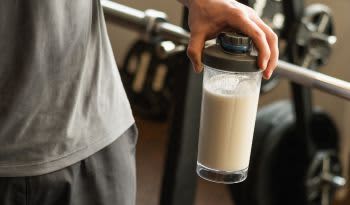
Prioritize protein: Protein is the building block of muscle. Aim to eat protein at each meal and snack daily. Include protein-rich foods like lean meat, fish, eggs, dairy, beans, lentils, and tofu. Protein shakes or protein supplements can also be helpful, especially if you struggle to meet your needs through food alone. Aim to spread your protein intake out throughout the day.
Focus on a balanced diet: A balanced diet full of fruits, vegetables, whole grains, and healthy fats provides the vitamins and minerals your body needs to function optimally and support muscle health.
Exercise recommendations
Incorporate strength training: Resistance exercise helps you maintain and build muscle. Aim for at least two to three strength training sessions per week, targeting all major muscle groups.
Mix up your exercise routine: Incorporate a variety of exercises in your routine, including:
- Bodyweight training: Push-ups, squats, lunges, and planks are great options you can do anywhere.
- Strength training: Use free weights, machines, or resistance bands.
- Cardio: Activities like walking, swimming, or cycling can improve cardiovascular health and support overall well-being.
Lifestyle factors
Prioritize sleep: Our bodies repair and rebuild muscle tissue when we sleep. Aim for 7-8 hours of quality sleep each night.
Manage stress: Chronic stress can elevate cortisol levels, a hormone that can contribute to muscle breakdown. Practice stress-management techniques like meditation, deep breathing or yoga regularly.
Stay hydrated: Water is essential for muscle function and nutrient delivery. Drink plenty of water throughout the day, especially during and after exercise.
Gradual weight loss: Rapid weight loss can increase the risk of muscle loss. Aim for steady and sustainable weight loss of around 1-2 pounds per week.
Work with a registered dietitian or health and wellbeing coach: A registered dietitian or coach can monitor your progress and help provide personalized guidance throughout your GLP-1 journey.
Monitoring and Adjustments
Make sure to monitor your progress and make adjustments along the way when taking a GLP-1 medication.
It can be helpful to keep an eye on your body composition, not just your weight. Tools like body fat scales, DEXA scans, or even simple tape measurements can help you track changes in muscle mass and body fat percentage.
Make sure to pay attention to your strength and energy levels during workouts. Are you able to lift heavier weights or complete more repetitions? These are positive signs that you’re maintaining or building muscle.
Don’t forget to schedule regular appointments with your doctor. They will monitor your overall health, assess your body composition, and provide personalized guidance. You should always reach out to your healthcare provider if you are concerned that you are losing weight too rapidly or if you are worried that you are experiencing muscle loss as a result of taking a GLP-1 medication.
In Summary
Remember, this is a journey, not a race. Make sure you have a plan to prioritize protein, incorporate strength training, nourish your body with healthy foods and water, prioritize sleep, and monitor your progress when taking a GLP-1. With the right strategies in place, you can achieve your goals while maintaining a strong and healthy body.
References:
- Harvard Health Publishing. (2023, November 29). GLP-1 diabetes and weight-loss drug side effects: Ozempic face and more. Harvard Medical School.
- Michos, E. D., Lopez‐Jimenez, F., & Gulati, M. (2023). Role of glucagon‐like peptide‐1 receptor agonists in achieving weight loss and improving cardiovascular outcomes in people with overweight and obesity. Journal of the American Heart Association, 12(11), Article e029282.
- Sforzo, G. A., Gordon, N. F., Peeke, P. M., & Moore, M. (2024). Health and well-being coaching adjuvant to GLP-1 induced weight loss. American Journal of Lifestyle Medicine, 18(6), Article 15598276241302273.
DISCLAIMER:
These statements have not been approved by the Food and Drug Administration. These products are not intended to diagnose, treat, cure, or prevent disease.
























































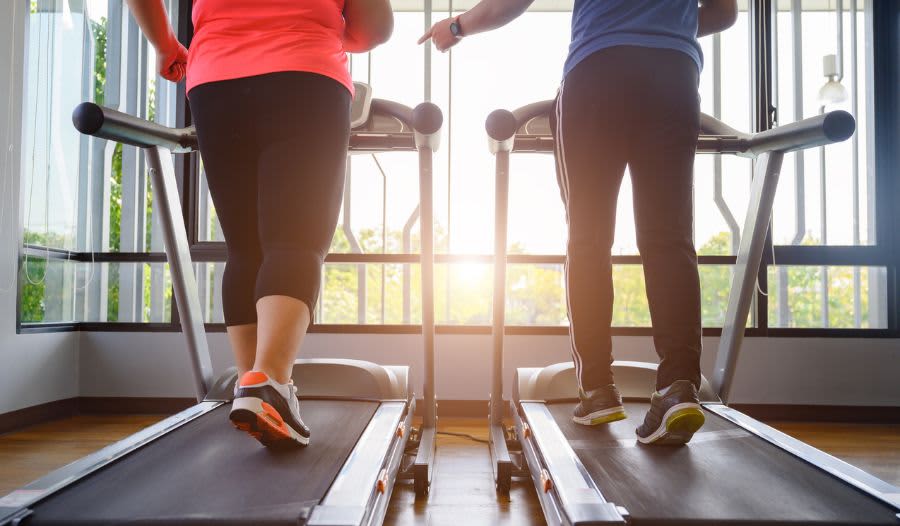
 Table of Contents